
The Future of Fashion: Why Circularity Matters
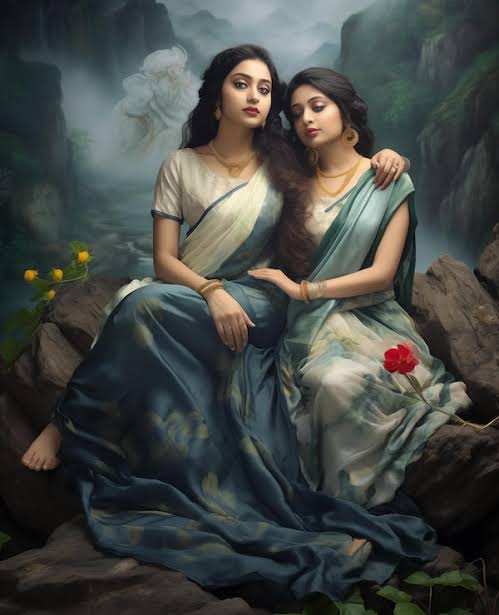
Rethinking the way we wear
Fashion has always been about creating something new. But perhaps the future of fashion is about learning to make more from what already exists.
As conversations around sustainability grow, circular fashion offers a different way of thinking about what we wear — one that values longevity, reuse and thoughtful consumption over constant replacement.
Instead of seeing a garment as something with a beginning and an end, circular fashion looks at the entire journey of a piece: how it is designed, made, worn, cared for, repaired and eventually reused.
What is circular fashion?
Circular fashion is built around a simple idea: keep clothing and materials in use for as long as possible.
This can mean designing garments that last, choosing quality materials, repairing pieces instead of replacing them, reusing fabrics or giving unwanted clothing a new purpose.
The aim is to reduce unnecessary waste and move away from the traditional cycle of make, wear and discard.
How can fashion become more circular?
Trends come and go, but well-made clothing can remain part of your wardrobe for years.
Choosing thoughtfully designed pieces and caring for them properly can help reduce the need to constantly replace what we wear.
Wear what you already own
One of the simplest ways to make fashion more sustainable is to make better use of the clothes already in your wardrobe.
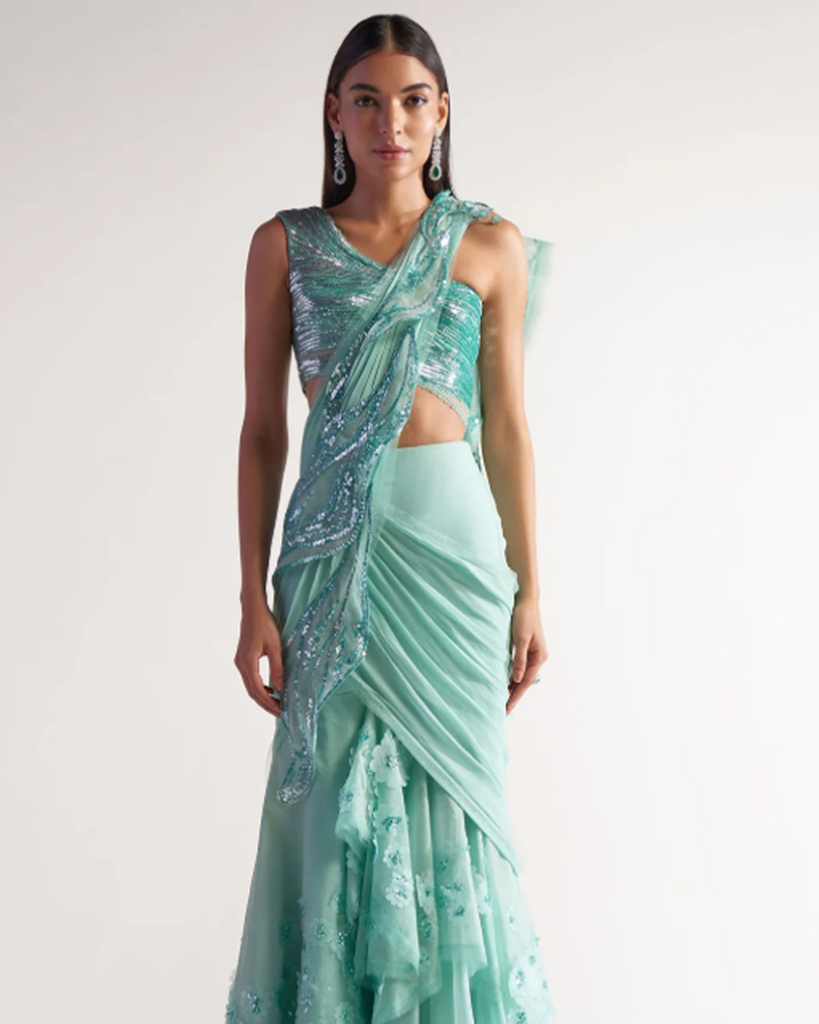
Style the same saree differently. Experiment with blouses and accessories. Give an old favourite a completely new look.
Sometimes, sustainability begins with seeing something familiar differently.
A more thoughtful future
Circular fashion asks us to look at clothing differently.
It reminds us that sustainability isn’t only about the materials used to create a garment. It’s also about how long we keep it, how we care for it and what happens to it afterwards.
At Thrayambaka, we love the idea of fashion that feels personal, meaningful and worth keeping — pieces that can become part of your wardrobe rather than simply passing through it.
Because perhaps the future of fashion isn’t about having more.
It’s about making what we have matter for longer.